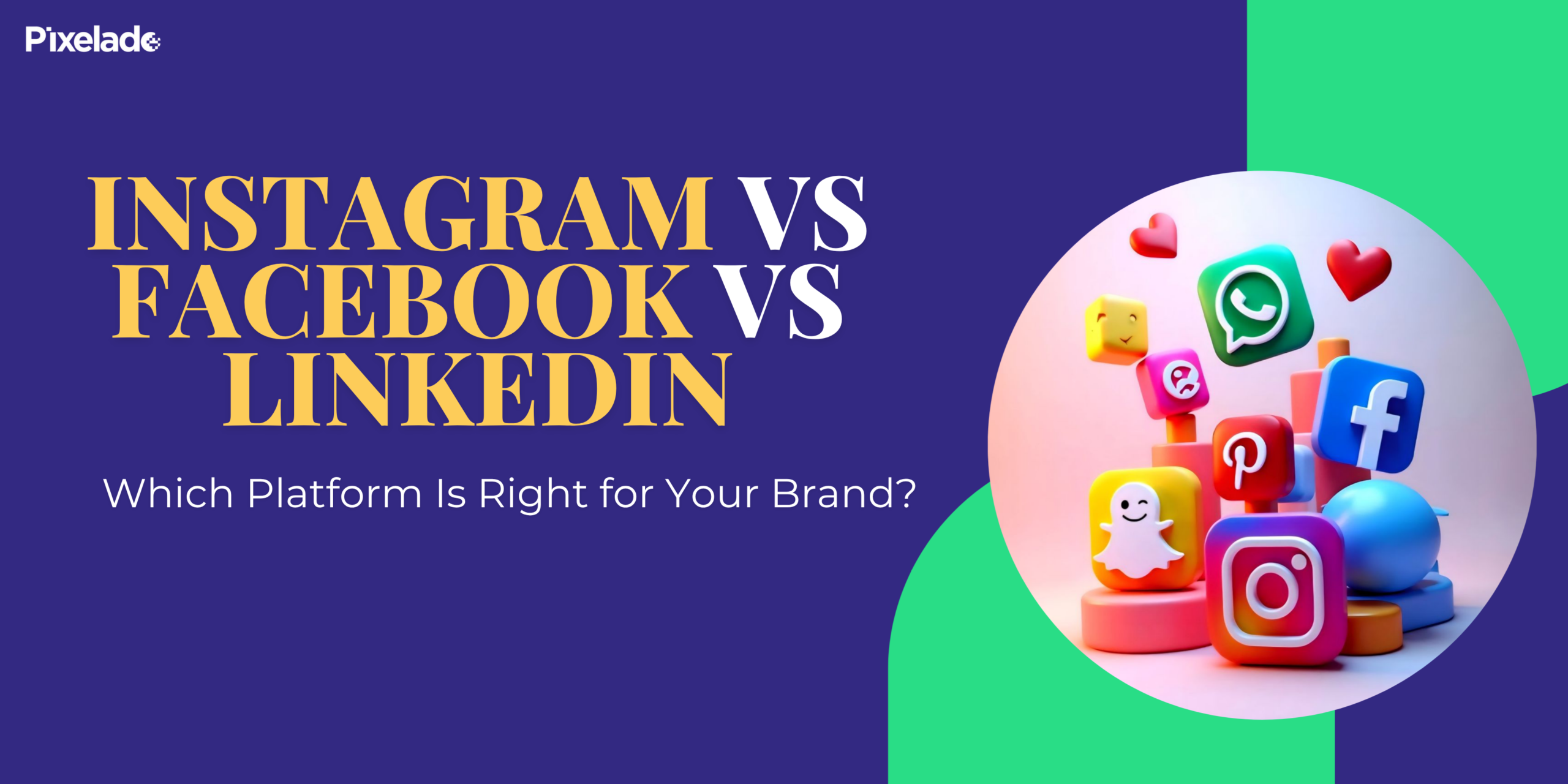
In today’s digital-first world, choosing the right social media platform can make or break your brand’s online presence. With so many options available, businesses often struggle to decide where to invest their time, energy, and marketing budget. Among the most powerful platforms are Instagram, Facebook, and LinkedIn each offering unique advantages depending on your brand goals.
So, which platform is right for your brand? Let’s break it down.
Understanding the Platforms
Instagram: Visual Storytelling at Its Best
Instagram is a highly visual platform designed for brands that thrive on aesthetics, creativity, and storytelling. It’s especially popular among younger audiences and is ideal for businesses in industries like fashion, food, fitness, travel, and lifestyle.
With features like Reels, Stories, and carousel posts, Instagram allows brands to engage users through visually appealing content. Influencer marketing also plays a huge role here, helping brands reach wider audiences quickly.
Best for:
- Creative and visual brands
- Product-based businesses
- Influencer collaborations
- Building brand identity
Challenges:
- Requires consistent content creation
- High competition
- Organic reach can fluctuate
Facebook: The All-Rounder Platform
Facebook remains one of the largest social media platforms globally, offering a wide range of features including pages, groups, ads, and marketplace options. It caters to a broad audience, making it suitable for almost any type of business.
Facebook is particularly effective for community building and running targeted ad campaigns. Its advanced advertising tools allow businesses to reach specific demographics based on location, interests, and behavior.
Best for:
- Local businesses
- Community engagement
- Paid advertising campaigns
- Sharing diverse content formats
Challenges:
- Organic reach is limited
- Requires ad spend for better results
- Content saturation
LinkedIn: The Professional Network
LinkedIn is the go-to platform for B2B marketing, professional networking, and thought leadership. Unlike Instagram and Facebook, LinkedIn focuses on career-driven content and industry insights.
If your brand targets professionals, corporate clients, or decision-makers, LinkedIn is a powerful platform to establish authority and build meaningful connections.
Best for:
- B2B businesses
- Personal branding
- Recruitment
- Industry insights and thought leadership
Challenges:
- Limited appeal for casual audiences
- Requires high-quality, value-driven content
- Slower engagement compared to other platforms
Key Differences at a Glance
| Feature | |||
| Content Type | Visual & video | Mixed content | Professional |
| Audience | Younger users | All age groups | Professionals |
| Best Use Case | Branding | Ads & community | B2B & networking |
| Engagement Style | Creative | Interactive | Informative |
How to Choose the Right Platform
Choosing the right platform depends on your business goals, target audience, and content strategy.
1. Define Your Audience
If your audience is young and visually driven, Instagram is your best bet. For a broader audience, Facebook works well. If you’re targeting professionals or businesses, LinkedIn is the ideal choice.
2. Identify Your Goals
- Want brand awareness? → Instagram
- Want leads and conversions? → Facebook
- Want authority and networking? → LinkedIn
3. Evaluate Your Content Style
If you can create eye-catching visuals and videos, go for Instagram. If you prefer long-form posts, discussions, and ads, Facebook is suitable. For professional insights and articles, LinkedIn is perfect.
4. Budget Considerations
Facebook offers the most advanced ad targeting, making it great for paid campaigns. Instagram ads are effective for visual promotions, while LinkedIn ads are usually more expensive but highly targeted for B2B.
Why You Shouldn’t Rely on Just One Platform
Many brands make the mistake of focusing on just one platform. While it’s good to start with one, expanding your presence across multiple platforms can maximize your reach.
For example:
- Use Instagram for brand storytelling
- Use Facebook for ads and engagement
- Use LinkedIn for professional growth
A multi-platform strategy ensures you’re reaching your audience at different touchpoints.
Final Thoughts
There’s no one-size-fits-all answer when it comes to choosing between Instagram, Facebook, and LinkedIn. Each platform serves a different purpose and audience. The key is to align your platform choice with your brand goals and content strengths.
If used strategically, these platforms can work together to build a strong, impactful online presence for your brand.